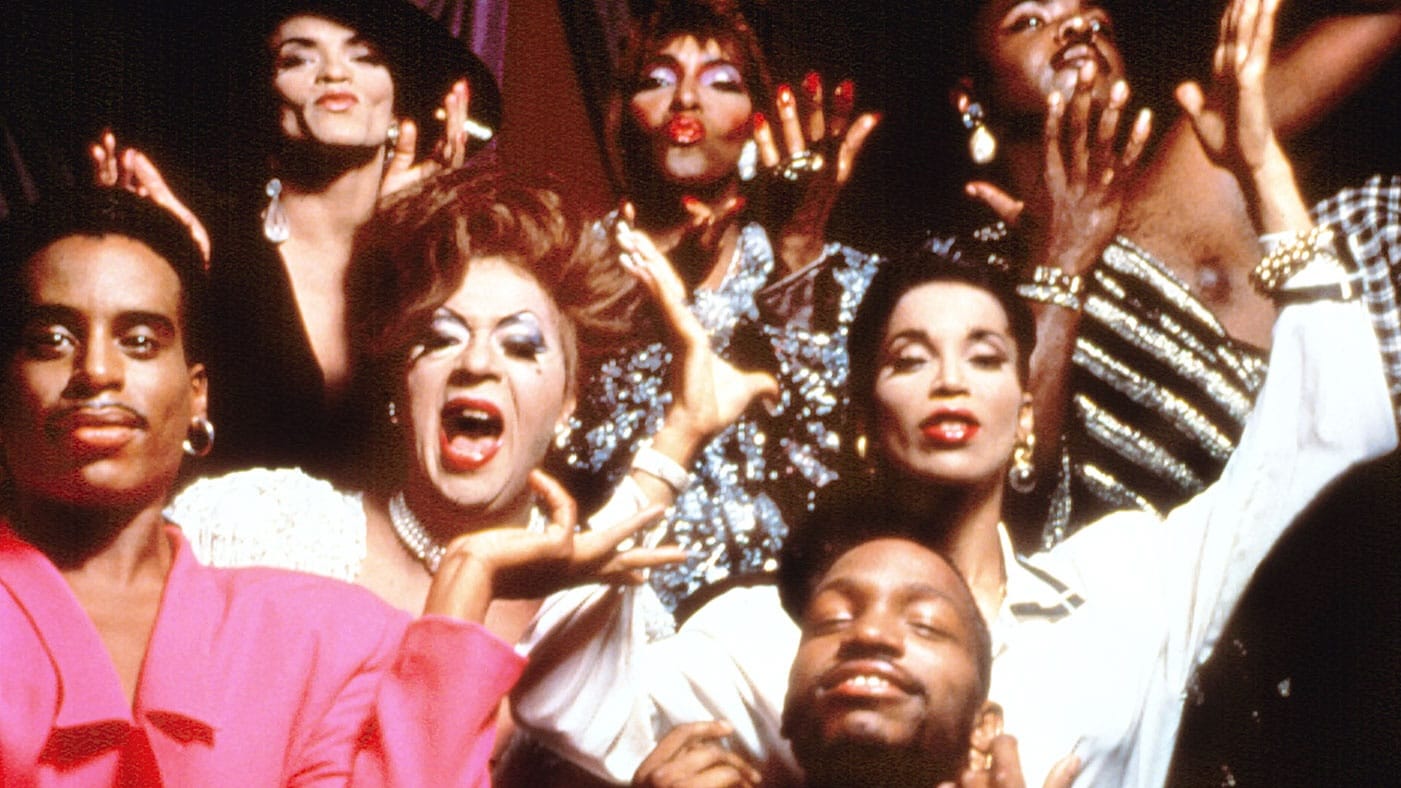
Can art be a form of protest? Does art really work as resistance? And how can you make protest art?
In times like these, it's natural to wonder if art is really important. If writing, music, performance, and other creative work really matters.
I find hope and inspiration from looking at stories of artists using their work to resist the status quo. The story of drag and ballroom in the U.S. is a powerful example to show the way.
Listen to this story!
INTRODUCTION
Sometimes, when it feels like all the powers that be are trying to erase you, the best thing you can do is…throw a party.
Now, lest you think I’m suddenly pivoting and creating a live-laugh-love kitchen sign, don’t worry. I’m not.
I’m talking about creating safe places. Even more than that, I’m talking about creating places where you can be vibrant. Joyful. Where you can be creative, dress up, perform, dance, and make yourself into a work of art. A space where you can show who you are and what you can do, and be cheered on and embraced.
For at least two centuries, queer people have been creating these spaces centered around the art forms of drag and ballroom. Walking a runway among peers teaches people to be themselves, to see the mainstream culture’s norms and subvert them and defy them. Making ballroom art and performance has been, and is, an irrepressible act of resistance.
How did this particular form of queer art and culture come to be? How did queer people across centuries find solace and support in these underground and public scenes? And how did the magnificent arts of ballroom, and the houses that formed around it, create a powerful form of resistance that continues to defy anyone who tries to erase it?
PART 1: The Oddfellows Balls
To find the origins of ballroom, we have to travel back further than we might imagine: to the 1800s.
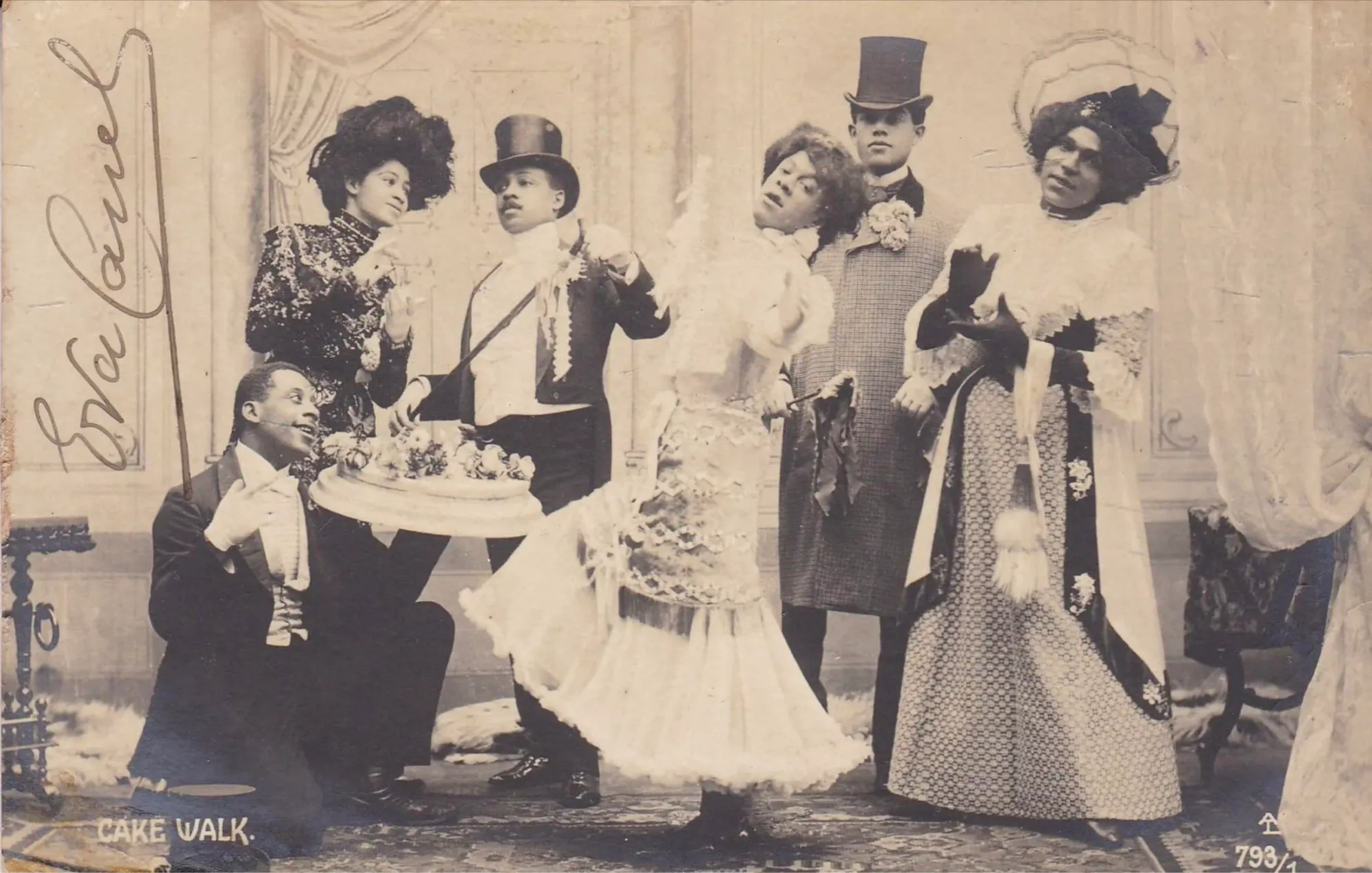
In the U.S. in the early 1800s, when slavery was still the primary economic engine of the south, a group of free Black men formed a chapter of the Odd Fellows at the Hamilton Lodge in Harlem. The Odd Fellows Society was one of those weird societies of men doing, I don’t know, men things, and one that was previously all white men. This Harlem group was the first Black group.
And in 1869, the chapter hosted their first Masquerade ball. One where men routinely came dressed as women.
So this is it: for those who insist we’re all going to hell because suddenly we have drag queens and trans folkx? The first drag ball in U.S. history is the Hamilton Lodge’s ball in 1869.
Now, they admittedly started as a sort of lark by the straight men of the club. But it gave an opportunity for supposedly straight men, and those in the community, to wear drag in public.
The balls, now known as “Oddfellows Balls,” “Fairies Balls,” and other names that use slurs in today’s standards, grew every year. And they started offering prizes. Like the “most perfect feminine body displayed by an impersonator.”
By the way, it’s worth noting the origins of the terms that existed then, and still exist today.
There’s debates on where the term “drag” comes from. Some say it dates back to Shakespeare, when they had men play the women’s parts. “Dressed resembling a girl,” abbreviated in the scripts as DRAG. Others say it just refers to how big hoop skirts would drag on the ground.
Then there’s queen. It could just come from royalty, but it could also come from the Old English word, “quean” or “cwene” which was used as a derogatory term toward gays and ‘promiscuous women’ in the 1800s.
Putting the words together? Created a powerful, rich, and appropriated term that was just for the oddfellows.
William Dorsey Swann was the first documented person to use “queen” to describe himself at drag. William was born to enslaved people, and was holding private balls in the late 1800s. He was arrested multiple times for “keeping a disorderly house,” a euphemism for running a house of prostitution.
PART 2: Harlem Renaissance & Pansy Craze
In the 1900s, World War I brought Americans to Europe for brutal battle. Millions of people died for what seemed like no reason.
So…nothing made sense anymore, especially all the rules that society place on behavior.
And in the midst of this time, the government was having another moral panic about these lack of norms. So they decided it was time to prohibit alcohol.
As anyone with even a casual knowledge of history or basic human psychology knows – you ban something? You make it even more desirable. You create a way of having fun that also sticks it to the man.
And in New York, during the Prohibition, the epicenter of fun became Harlem. The neighborhood was blowing up, with Black migrants from the South, and Black artists from all over. Clubs popped up that played jazz, had white and black customers, and sold that sweet sweet booze. So white people started flocking to Harlem.
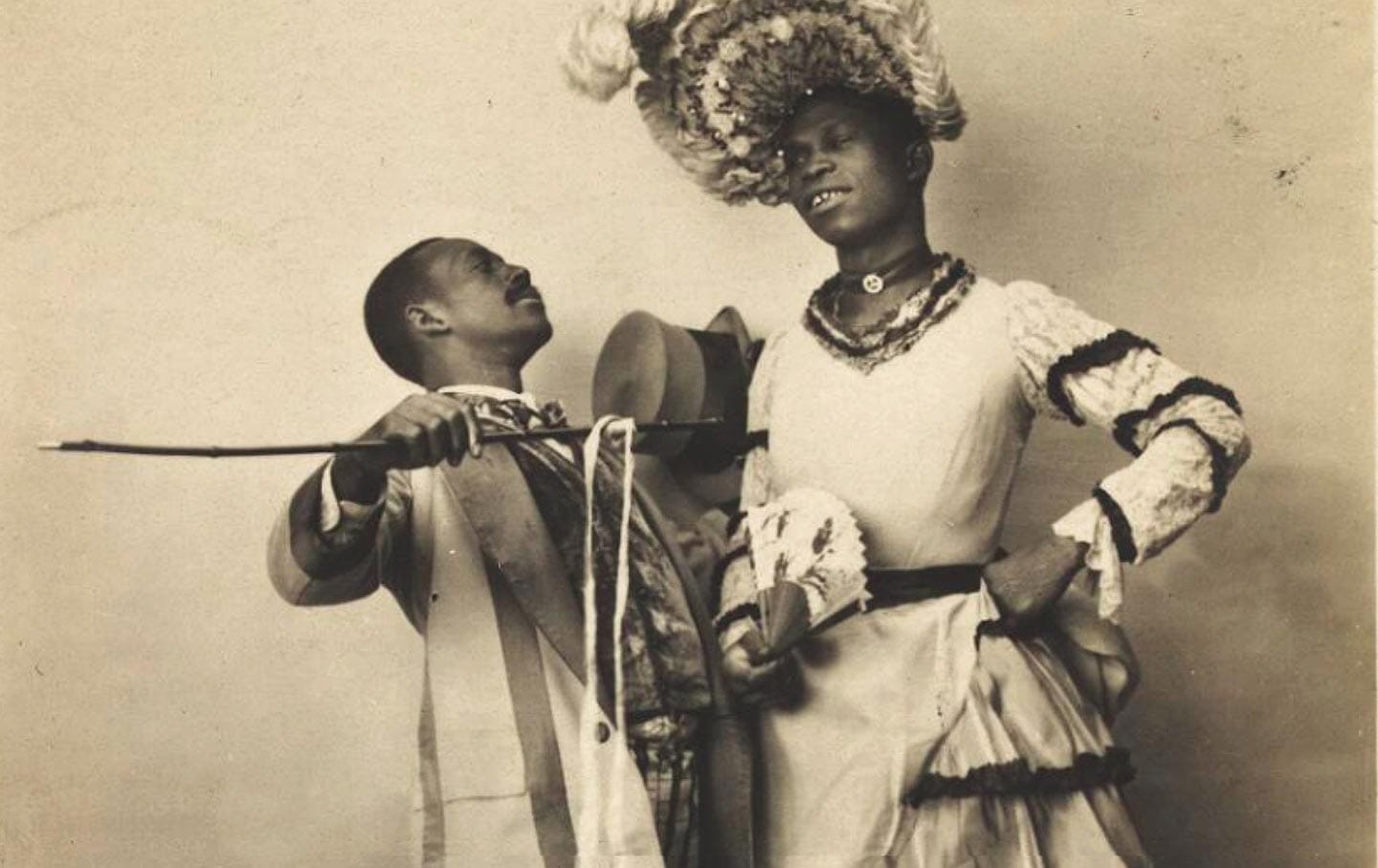
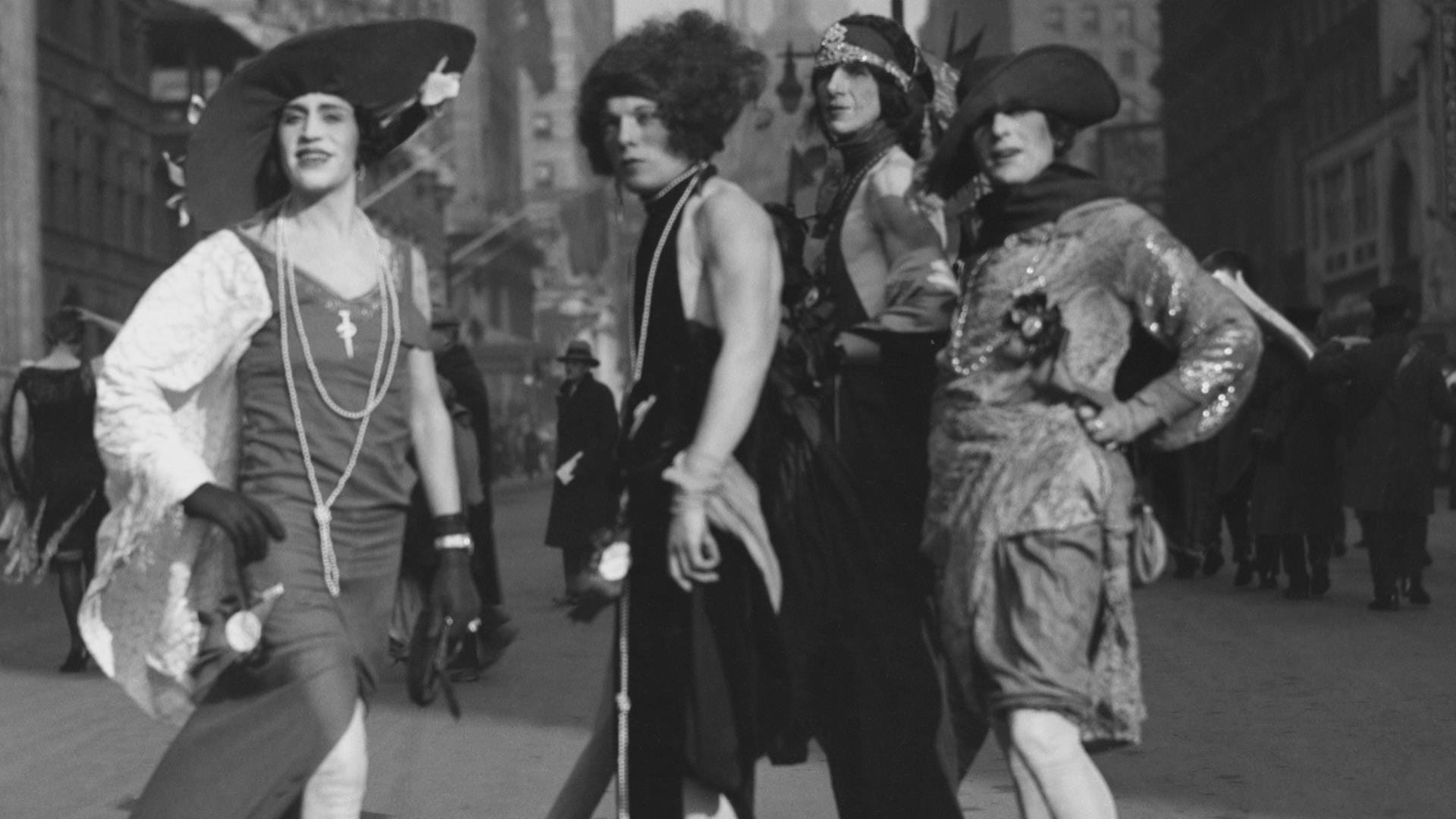
At the same time, as people thumbed their nose at norms and rules, the Pansy Craze took off. It was one of those times of contradictions, similar to now – strict moral panics and rules, but also a flowering of underground culture. Suddenly gay and drag performers were all the rage, and flamboyantly gay performances in film, theater, and clubs, became the thing to see.
One key figure in the drag scene at this time: Gladys Bentley, a blues singer, pianist and entertainer. She was openly lesbian, performed in a white tux and top hat, and sang explicitly about sex with other women. She was backed up by a chorus line of drag queens, and flirted with women in the audience.
So this combination of things made the Harlem-based Oddfellows ball the event of the year. At its height, 8000 performers and spectators showed up at the drag ball. And police were there to help, providing security for any out of control bad behavior.
All of this, all of the 1920s in Harlem and Hollywood, was a grand, wild party that ignored all the laws trying to regulate morality.
But then the party ended.
In the 1930s, The Great Depression wiped out all that disposable income. The Prohibition ended, and all that illicit booze was now legal, but restricted to “orderly” bars and clubs. Which meant a strict moral code.
And just as we see now – in times of economic uncertainty and great, fast change, people freak out. They long for a history that never existed, one of pure morals and the strict rule of law.
So suddenly in the 1930s, gay men and lesbians were dangerous, perverts and criminals, corrupting our youth.
Hollywood laid down strict rules about what could be portrayed, putting an end to the pansy craze. The NYPD targeted the balls and made tons of arrests for indecency, vagrancy and female impersonation. So the Hamilton Lodge threw their last ball in 1937.
Part 3: The Queen to LaBeija
Queer fellowship went underground. House parties, secret dance parties tried to reduce the danger that came from socializing. Queer people could be arrested, fired, banned from government jobs. For decades, the balls went quiet.
But they didn’t go away.
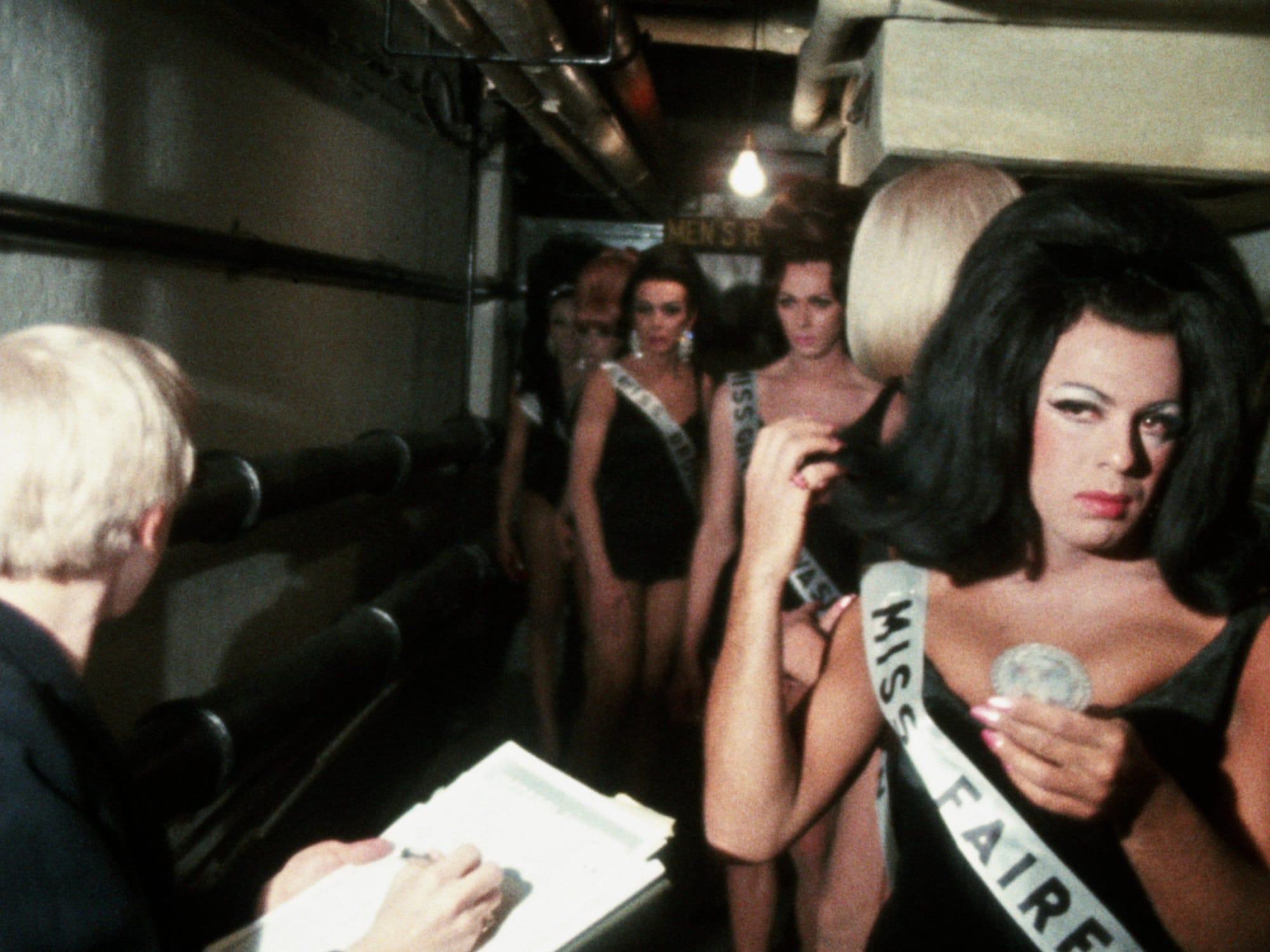
In 1968, a documentary crew covered the drag performer scene in a movie called The Queen. They showed the Miss All American Camp beauty pageant, which Flawless Sabrina hosted in 50s and 60s.
It’s important to note that something that started out as decidedly Black – the Harlem chapter of the Odd Fellows society, and their ball – was increasingly co-opted by whites. White spectators. White performers and pageant participants.
And as the ball grew in the 1900s, for the most part, white performers won out. Only in 1936 did a black queen win the top prize.
And that bias continued. Black and brown queens were pressured to whiten their skin, to create white hairstyles.
In the documentary, Crystal LaBeija, a black queen, got third runner up in the ball. And she had opinions.
So in 1972, Crystal LaBeija hosted the first annual House of LaBeija ball in Harlem. It was specifically for Black and Latinx gay and trans performers and spectators. And modern ballroom was born.
PART 4: Houses and balls
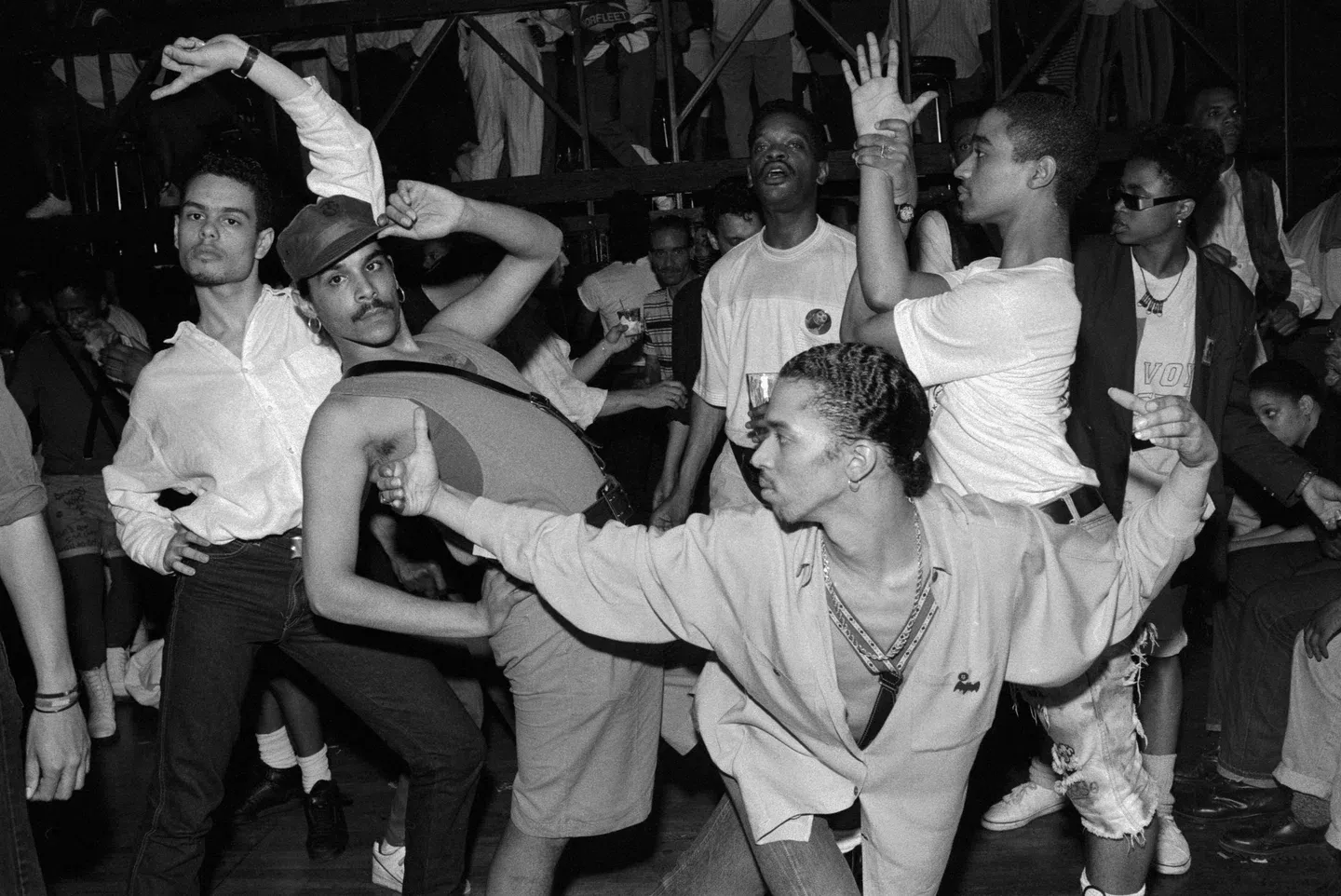
The LaBeija ball birthed many smaller, monthly or even weekly balls. Because they offered safety and fellowship, but also powerful artistic resistance.
So what was a ball like?
At balls, there were categories. All of which acted as a fuck you to the outside world.
Because the center was a runway of sorts. But while in fashion shows, only white skinny bodies could show up on the catwalk, in the ballroom, anyone willing to walk can claim that space.
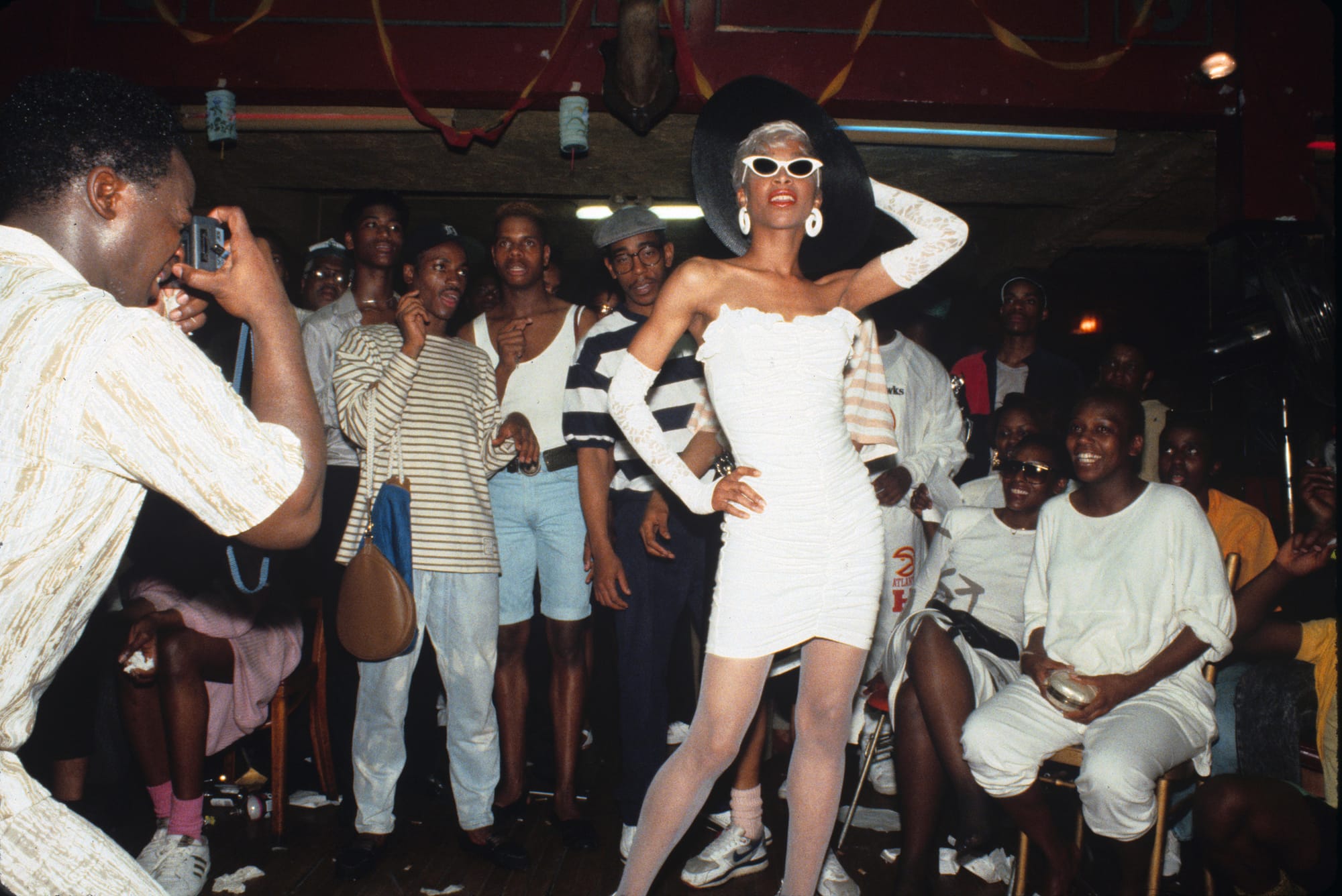
Individuals could ‘walk’ in categories like All American Runway, Best Dressed, Realness, and Face, Executive Realness or Femme Queen Performance. They would dress up in costumes, paint themselves in fashion and makeup. They would make themselves and their bodies into works of art. While the outside world said trans and gay bodies were wrong, inside the balls, they were the epitome of glamour and culture.
There was competition. Individuals competed against each other in categories, but houses also competed against house.
There were the crowds. Cheering on the best, mocking the worst.
There was joy. The black and Latinx queer and trans communities had a place to have fun. To meet others. To find love. To be themselves, maybe for the first time.
But more than the balls, there were the houses.
Crystal LaBeija formed the first ballroom house, where she brought together other black and brown queer and trans people. Often youths, those kicked out of their homes. Crystal was the mother, guiding her chosen family in the balls and outside. Other houses followed, including the houses of Xtravaganza, Dupree, Corey, Dior, Wong, Ninja, and Pendavis.
In the balls, house members would compete as themselves, but also as the house. But the houses were much more than the balls. They gave many members a physical home. They protected one another. Mothers and fathers mentored their house children in ballroom and in life.
Coming together as groups, they had collective strength. They weren’t exposed to violence and marginalization by themselves.
And when they competed in the balls, house members found recognition from their peers. Trophies. Pride.
In the 1980s, houses became even more important. As the HIV and AIDS crisis decimated queer communities across the country, houses became critical health networks. House members learned about testing and protection, got shelter when they were sick, and even had support in clinic and hospital visits.
During this time, balls became places to mourn and remember. And in a time when President Reagan wouldn’t even say the word AIDS, ballroom became a place to talk. Defy the silence and shame.
Many houses joined with ACT UP. They held special fundraising balls to support members and spread information about prevention and care. Houses were leaders, grassroots activists, and exquisite performers. All at once.
PART 5: Vogue
Any discussion of the art of ballroom has to include one particular thing: Voguing.
Voguing was a ballroom category, and it originated by imitating model poses seen in Vogue magazine. But the moves of voguing pulled in pop dance, sculpture, military march, and impressive dips.
And then in 1990, Madonna released the song “Vogue.” The song referenced ballroom moves, and the video included members of the ballroom community, like Willi Ninja.
Suddenly everyone was voguing. Even cis white teens from Iowa like me were copying the moves.
Voguing was spreading…but the context, the resistance and communities who made it, were not. Vogue was a novelty, a fad. Fashion designers and runway shows were using ballroom moves, and ads used them to sell insanely expensive clothes. Other musicians used voguing in their videos. Voguing was a dance trend like the twist or locomotion – sanitized for white consumers, ignoring its history.
But while white America vogued for a while, then cast it aside for another trend, ballroom continued.
The roots of vogue were still there, still just as important as an artistic method of survival and resistance.
And those who needed to see that message got it. Houses and ballroom spread from Harlem, across the country, and around the world. Ballroom scenes now exist in Mexico City, Berlin, and many more cities.
Conclusion
We’ve touched on the 1980s and queer life before. In our episode on Gran Fury and ACT UP, we examined how conservative and right-wing the government was, how big the moral panics were.
And beyond even that, when queer people were acknowledged, or the occasional pitying news report highlighted a ‘victim’ of AIDS, they were white men.
So imagine the excitement of finding a space for you. One built around black and brown queer and trans people. One with a physical home and safety. And one organized around artistic expression that acted as a fuck you to mainstream culture.
And also imagine the bravery you needed to take part in ballroom. To get up in front of hundreds of your peers and perform. To compete, to withstand reading and shade. You have to develop a very thick skin. You have to develop confidence.
And this was something the world was trying to deprive them of, because they were black/Latinx, because they were gay, because they were trans.
I mentioned voguing, and how it reached my TV. Imagine this underground art form, born from black trans queens, becomes something that a 13 year white girl in Iowa is practicing and playing around with. That’s cultural power. That’s subversive.
Yes, it was co-opted. And yes, the story of vogue, the deep history of artistic resistance and survival, was often lost. I didn’t know about ballroom until my 30s, when I watched Paris is Burning. And then the show Pose.
But ballroom continued, and continues.
In times like these, when we’re experiencing another histrionic moral panic and massive right-wing backlash, one that very often targets the most vulnerable, ballroom is an even more powerful form of resistance. When the trans community is under attack, when drag is seen as a lightning rod of culture, when the queer community is losing rights, ballroom is still that important place of fellowship and family. It’s a home filled with art and love.
And it has been for nearly two centuries.
No one can take ballroom away. No one can destroy drag, or trans identity, or queer people in our entirety. We’ve always existed, and will continue to.
Ballroom is one of the ways that the people survive, and continue to defy the moral panics and right-wing bullshit. It’s joy. It’s art. And it’s resistance.
SOURCES
- The Queen: NYC Drag Pageant Scene Before House LaBeija
- Crystal LaBeija: The Queen Who Reinvented Ball Culture | MASTERS OF DRAG | AMERICAN MASTERS | PBS
- Ballroom culture is about so much more than voguing
- The former slave who became the world's first drag queen - BBC REEL
- The Story Behind The Ballroom Scene & The Safe Space It Presents | Queer As F**K
- Paris is Burning - The Ballroom Scene Explained (New York City 1987)
- The Hidden History of Paris is Burning
- The Harlem Ballroom Scene: A History of Black Queer Resistance.
- Honoring The History Of Ballroom Culture During And Beyond Pride
- Voguing and Ballroom: A Form of Resistance for Trans* Communities
- Drag Herstory 101: 1800s through the 1920s ‘Pansy Craze’
- A brief history of the Pansy Craze – the beginning of LGBTQ nightlife
- The Pansy Craze: The Story & The Music
- A Gay Old Time
- Pansy Craze: the wild 1930s drag parties that kickstarted gay nightlife
- How drag balls provided creativity and refuge to queer communities in 1920s Harlem
- BLACK HISTORY MONTH:A drag ball in Harlem was one of the biggest social events in 1920s New York
- Hamilton Lodge Ball, Recognized As The First Drag Ball In The United States, 1869-1937
MUSIC